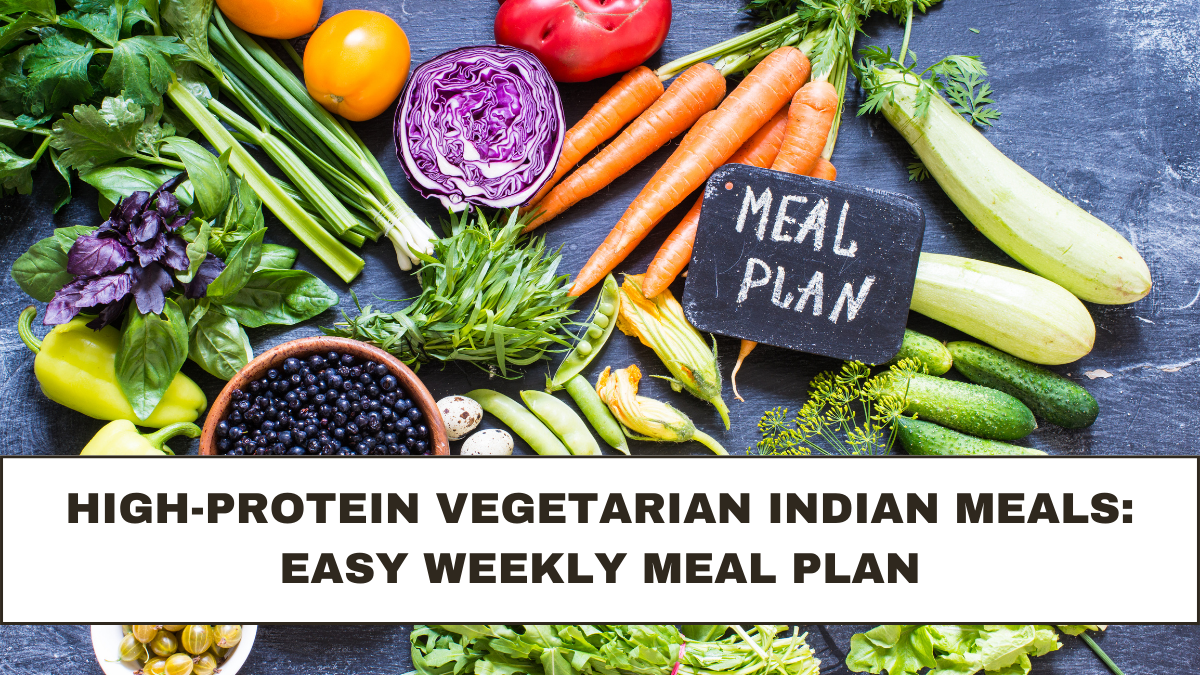
Maintaining a high protein vegetarian Indian meals plan is essential for those aiming for weight loss, muscle gain, or general health. Contrary to common belief, vegetarian diets can provide sufficient protein with careful planning and the right combination of ingredients. With India’s rich variety of lentils, legumes, dairy, and soy products, it’s possible to achieve your fitness goals without compromising on taste or cultural food preferences.
This guide provides practical meal ideas, portion recommendations, and simple meal-prep tips to help Indians stick to a high-protein vegetarian diet throughout the week.
Why High Protein Matters
Protein is vital for:
• Building and repairing muscles
• Supporting immune function
• Promoting satiety for weight management
• Sustaining energy levels during workouts
A balanced vegetarian diet can supply the necessary protein if planned thoughtfully using pulses, dairy, soy, and nuts.
Sources of Protein in Indian Vegetarian Diets
Legumes and Pulses
• Lentils (masoor dal, moong dal) – 9g per 100g cooked
• Chickpeas (chana) – 8–9g per 100g cooked
• Kidney beans (rajma) – 8g per 100g cooked
Dairy Products
• Paneer – 18g per 100g
• Greek yogurt – 10g per 100g
• Milk – 3g per 100ml
Soy and Other Alternatives
• Tofu – 8g per 100g
• Soy chunks – 52g per 100g dry
• Edamame – 11g per 100g cooked
Nuts and Seeds
• Almonds, peanuts, chia seeds, flaxseeds provide protein and healthy fats
• Best consumed in moderation due to calorie density
Sample Weekly Meal Plan
Here’s a practical high protein vegetarian Indian meals plan that balances taste, nutrients, and simplicity.
Breakfast Options
-
Moong Dal Chilla
• Soaked moong dal blended with spices, pan-fried with minimal oil
• Serve with green chutney -
Greek Yogurt Bowl
• Greek yogurt with chia seeds, walnuts, and fresh berries
• Adds 15–20g protein per bowl -
Besan Omelette
• Chickpea flour mixed with vegetables, cooked like an omelette
• Quick and nutrient-dense
Mid-Morning Snacks
• Roasted chana or makhana (fox nuts) – 8–10g protein
• Smoothie with milk, peanut butter, and protein powder
• Cottage cheese cubes with cucumber or tomato slices
Lunch Options
-
Rajma or Chana Masala with Brown Rice
• One cup cooked rajma provides 8g protein
• Add ½ cup brown rice for fiber and energy -
Paneer Tikka Salad
• Grilled paneer cubes with mixed greens, cucumber, tomatoes, and lemon dressing -
Tofu Stir-Fry with Quinoa
• Sauté tofu with vegetables and spices, serve with ½ cup cooked quinoa for protein and complete amino acids
Evening Snacks
• Protein smoothie with soy milk and banana
• Sprout salad with moong sprouts, tomatoes, onions, and coriander
• Roasted chickpeas with a pinch of salt and chili powder
Dinner Options
-
Palak Paneer with Millet Roti
• Spinach provides iron, paneer adds protein
• Millet roti adds complex carbs -
Dal Palak with Quinoa or Brown Rice
• Lentils combined with greens make a nutrient-dense dish
• Serve with low-oil tempering for flavor -
Stuffed Capsicum with Tofu and Vegetables
• Mix tofu with finely chopped vegetables and spices
• Bake or grill in capsicum for a colorful dinner option
Portion Guidance
• Breakfast: 20–25g protein
• Mid-morning snack: 8–10g protein
• Lunch: 25–30g protein
• Evening snack: 10–15g protein
• Dinner: 20–25g protein
This distribution ensures your body gets consistent protein throughout the day, supporting muscle recovery and satiety.
Meal-Prep Tips for Busy Schedules
-
Batch Cook Lentils and Beans
• Cook 2–3 types of dal in advance and refrigerate
• Reheat with different spices to vary flavors -
Cut Vegetables Ahead
• Keep chopped vegetables in airtight containers for stir-fries, salads, or wraps -
Paneer and Tofu Ready-to-Use
• Marinate paneer or tofu in spices and store for 2–3 days
• Quick grilling or sautéing saves cooking time -
Snack Prep
• Roast chickpeas, makhana, or sprouts in bulk
• Portion into small containers for grab-and-go snacks -
Freeze Smoothie Packs
• Pre-measure fruits and store in freezer bags
• Blend with milk or yogurt when needed
Tips for Maximizing Protein Intake
• Combine legumes with grains for complete amino acids (e.g., rice with dal, quinoa with tofu)
• Include a variety of protein sources daily for balanced nutrition
• Use low-fat dairy options if weight loss is the goal
• Add seeds or nuts to meals for extra protein and healthy fats
• Hydrate well and pair protein meals with fiber for better digestion
Benefits of High-Protein Vegetarian Meals
• Supports weight management and reduces cravings
• Promotes muscle gain and recovery for active individuals
• Enhances satiety and prevents overeating
• Provides essential vitamins and minerals from pulses, dairy, and vegetables
• Can be customized to Indian taste preferences and regional cuisines
Conclusion
The high protein vegetarian Indian meals guide demonstrates that vegetarian diets can be both flavorful and nutritionally complete. With proper planning, balanced meals, and easy meal-prep techniques, Indian vegetarians can achieve weight loss, muscle gain, or maintain general health. From moong dal chilla and paneer tikka salads to tofu stir-fries and protein-rich snacks, this weekly meal plan provides variety, convenience, and effective protein intake.
Consistency, portion control, and strategic meal prep make it easy to follow a high-protein vegetarian lifestyle without compromising taste or tradition. By using locally available ingredients and simple Indian cooking methods, anyone can enjoy a nutrient-rich, protein-packed diet every day.
FAQs
How much protein should a vegetarian adult consume daily?
Aim for 1–1.2g per kg body weight for general fitness, and up to 1.6–2g per kg for muscle gain.
Are paneer and tofu good protein sources?
Yes, both are rich in protein, versatile, and suitable for Indian vegetarian meals.
Can I lose weight on a high-protein vegetarian diet?
Yes, protein increases satiety, supports muscle maintenance, and helps reduce overall calorie intake.
How do I ensure I get all essential amino acids?
Combine legumes with grains (rice, millet, quinoa) or include dairy and soy products to complete amino acids.
Is meal prep necessary for a vegetarian protein diet?
Meal prep saves time, ensures consistent protein intake, and makes it easier to stick to diet goals.