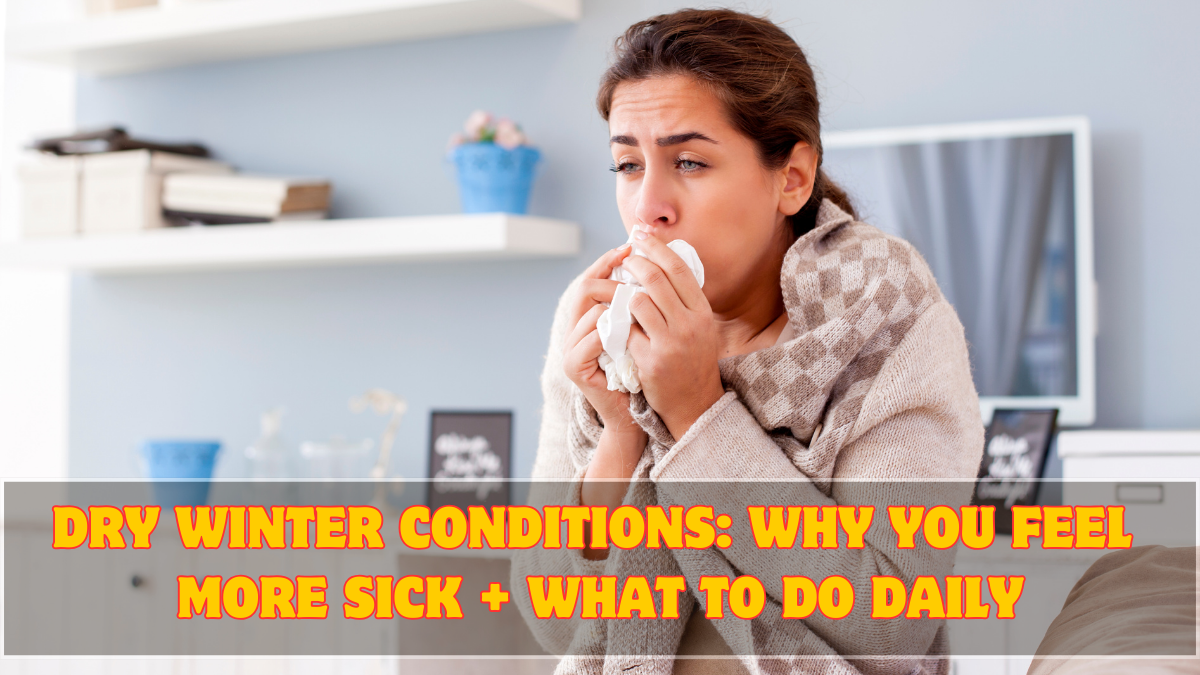
Winter dryness Maharashtra residents are experiencing is not just “seasonal discomfort.” Many people report dry skin, scratchy throats, frequent colds, headaches, and even worsened asthma during winter—and low humidity is a major reason. Unlike colder northern states, Maharashtra’s winters are mild in temperature but harsh in dryness, which quietly stresses the body.
This isn’t imagination. Dry air changes how your skin, lungs, and immune system function—daily.

Why Winter in Maharashtra Feels Unusually Dry
Maharashtra’s winter dryness comes from a mix of geography and weather patterns.
Key factors include:
• Drop in humidity levels
• Northeasterly dry winds
• Lack of winter rainfall
• Clear skies increasing moisture loss
This creates what meteorologists call an aridity anomaly—cooler air with unusually low moisture.
Low Humidity Impact on the Human Body
The low humidity impact goes beyond comfort.
Dry air:
• Pulls moisture from skin
• Dries nasal passages
• Thickens mucus in airways
• Weakens first-line immune defense
Your body works harder to stay balanced, leaving you more vulnerable.
Why Skin Problems Spike in Dry Winters
Skin dryness is the most visible effect.
Common winter skin issues include:
• Flaking and itching
• Tightness after washing
• Cracked lips and heels
• Sudden sensitivity
Dry air strips natural oils faster than your skin can replace them.
Respiratory Issues Get Worse in Dry Air
Dry air irritates airways directly.
Respiratory issues linked to winter dryness:
• Frequent sore throats
• Persistent cough
• Sinus irritation
• Asthma flare-ups
Moist air keeps airways flexible. Dry air makes them inflamed.
Why You Catch More Colds in Dry Winters
Viruses thrive in dry environments.
Dry air:
• Keeps viruses airborne longer
• Dries nasal membranes that trap germs
• Reduces local immune response
This combination increases infection risk.
The Hidden Role of Indoor Air
Indoor spaces often make things worse.
Indoor dryness increases due to:
• Air conditioners
• Heaters
• Poor ventilation
What feels comfortable temperature-wise can be damaging humidity-wise.
How Winter Dryness Affects Sleep and Energy
Dry air disrupts rest.
Common sleep effects:
• Dry throat at night
• Snoring and mouth breathing
• Frequent waking
• Morning fatigue
Quality sleep drops even if sleep duration stays the same.
Daily Habits That Actually Help (Skin + Health)
You don’t need drastic changes.
Effective daily habits:
• Drink water consistently (not in bursts)
• Use gentle cleansers
• Moisturise immediately after bathing
• Cover skin outdoors
Consistency matters more than products.
Simple Ways to Improve Indoor Humidity
You don’t need expensive gadgets.
Practical options:
• Keep bowls of water in rooms
• Air-dry clothes indoors occasionally
• Use exhaust fans wisely
• Open windows briefly in the morning
Small changes raise ambient moisture.
Breathing Protection During Dry Winters
Protect your airways intentionally.
Helpful steps:
• Steam inhalation 2–3 times weekly
• Warm fluids regularly
• Avoid very dry environments for long hours
Moisture keeps respiratory linings healthy.
Why Over-Washing Makes Things Worse
Excessive washing strips protection.
Avoid:
• Hot water baths
• Frequent soap use
• Alcohol-based cleansers on skin
Cleanliness without balance causes damage.
Diet Choices That Support Hydration
Food contributes to internal hydration.
Helpful choices:
• Seasonal fruits
• Warm soups
• Healthy fats
• Reduced caffeine excess
Hydration is more than just water intake.
Who Is Most Affected by Winter Dryness
Certain groups feel it more.
Higher-risk groups:
• Children
• Elderly individuals
• Asthma patients
• People with eczema or allergies
They need extra protective routines.
Why Maharashtra Winters Feel Harder Than They Look
Mild temperatures create false comfort.
Because:
• You don’t “feel” cold
• Dryness goes unnoticed
• Symptoms build gradually
The impact is slow but cumulative.
When to Seek Medical Advice
Don’t ignore persistent symptoms.
Consult a doctor if:
• Cough lasts weeks
• Breathing feels tight
• Skin cracks bleed or infect
• Sinus pain becomes chronic
Dryness should improve with care—if not, investigate.
Why Winter Dryness Is Likely to Continue
Weather patterns are shifting.
Dry winters are becoming:
• Longer
• More intense
• Less predictable
Adaptation matters more than waiting for change.
Conclusion
Winter dryness Maharashtra residents experience affects far more than skin—it influences immunity, breathing, sleep, and daily energy. The combination of low humidity impact, rising respiratory issues, and persistent skin dryness explains why winters feel harder than they appear. With small, consistent daily habits, the damage is manageable—and largely preventable.
Dry air is subtle. Its effects aren’t. Managing it daily makes winter livable again.
FAQs
Why is Maharashtra so dry in winter?
Low humidity, dry winds, and limited rainfall create arid conditions.
Does dry air really cause more illness?
Yes. It weakens nasal defenses and helps viruses spread.
How can I protect my skin during dry winters?
Use gentle cleansers, moisturise immediately after bathing, and avoid hot water.
Are humidifiers necessary?
Helpful but not mandatory—simple moisture-adding habits also work.
Who should take extra care in dry winters?
Children, elderly people, and those with respiratory or skin conditions.