For years, urgency was ecommerce’s favorite weapon. “Only 2 left.” “Sale ends in 10 minutes.” “Buy now or miss out.” In 2026, shoppers have caught on. Ecommerce fake urgency is no longer persuasive—it’s actively damaging trust.
What once triggered quick decisions now triggers skepticism. Customers don’t feel rushed anymore. They feel manipulated.
How Ecommerce Fake Urgency Became the Default
Urgency worked so well that it spread everywhere.
Brands adopted:
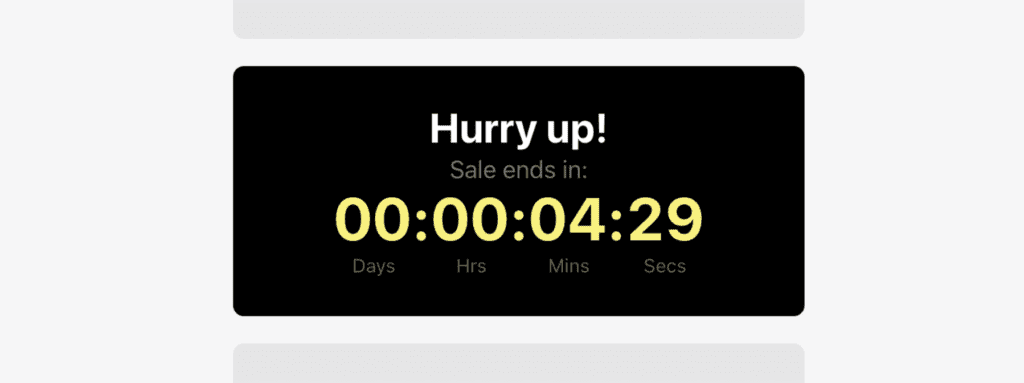
• Countdown timers on every product
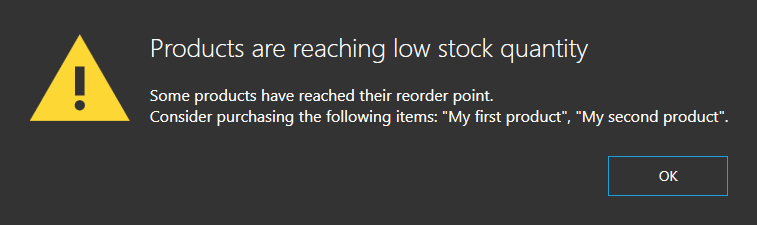
• Stock warnings without proof
• Flash sales that repeated weekly
• Push notifications framed as emergencies
Over time, urgency stopped being a signal and became background noise—fueling ecommerce fake urgency.
Why Shoppers Stopped Believing Timers
Consumers learned patterns faster than brands expected.
Shoppers noticed:
• Timers reset after refresh
• “Low stock” never reached zero
• Same sale returned every weekend
• Prices fluctuated unpredictably
Once patterns are exposed, urgency loses credibility.
The Psychology Shift: From FOMO to Fatigue
Urgency used to trigger fear of missing out. Now it triggers irritation.
Behavioral changes include:
• Waiting deliberately
• Comparing across sites
• Screenshotting prices
• Ignoring banners entirely
Ecommerce fake urgency exhausted the very emotion it relied on.
How Fake Urgency Hurts Conversion Long-Term
The damage isn’t immediate—it’s cumulative.
Negative outcomes include:
• Lower repeat visits
• Reduced brand trust
• Higher bounce rates
• Shoppers delaying purchases intentionally
Urgency may spike short-term clicks, but it erodes long-term confidence.
Why Younger Shoppers Are Especially Immune
Digital-native audiences grew up with these tactics.
They:
• Recognize dark patterns instantly
• Share screenshots exposing fake urgency
• Reward transparency over pressure
• Punish brands socially
For them, ecommerce fake urgency signals low-quality intent.
When Urgency Crosses Into Dark Patterns
Not all urgency is fake—but most misuse it.
Red flags include:
• No explanation of stock limits
• Forced decision timers
• Urgency without value difference
• Repeated “last chance” claims
At this point, urgency becomes coercion, not information.
Why Real Scarcity Still Works (Rarely)
Scarcity isn’t dead—dishonesty is.
Real scarcity works when:
• Inventory is genuinely limited
• Context is clearly explained
• Timelines don’t reset
• Alternatives are offered
Truthful urgency builds trust. Ecommerce fake urgency destroys it.
How Brands Are Seeing the Backlash
Brands are quietly adjusting.
Early signals include:
• Lower CTR on banners
• Increased cart abandonment
• More customer complaints
• Rising unsubscribe rates
The metrics reveal what surveys won’t: shoppers are done playing along.
What Replaces Fake Urgency in 2026
Winning brands are shifting tactics.
Effective alternatives:
• Clear value explanations
• Honest delivery timelines
• Transparent pricing history
• Limited drops with proof
Confidence converts better than pressure.
Why Trust Now Converts Better Than Speed
Modern buyers optimize for regret minimization.
They ask:
• “Will I regret this?”
• “Is this brand honest?”
• “Can I return easily?”
Ecommerce fake urgency increases regret risk—and kills conversions.
What This Means for Conversion Strategy
Urgency can’t be a crutch anymore.
Better strategy focuses on:
• Reducing anxiety, not increasing it
• Helping decisions, not forcing them
• Designing calm checkout experiences
Speed without trust is wasted.
Conclusion
Ecommerce fake urgency worked when shoppers were less informed. In 2026, it signals manipulation. Countdown timers don’t push people to buy—they push them away.
The future of ecommerce isn’t louder pressure. It’s quieter confidence.
FAQs
What is ecommerce fake urgency?
Using misleading timers or scarcity messages to pressure purchases.
Do countdown timers still convert?
Much less than before, especially with repeat exposure.
Is all urgency bad?
No—only urgency that isn’t real or transparent.
Why do brands keep using fake urgency?
Because it once worked and is easy to deploy.
What converts better now?
Trust, clarity, and genuine value communication.
Click here to know more.