AI chatbots were introduced as a convenience. Faster replies, 24/7 availability, lower costs. In 2026, the reality looks very different. AI customer support backlash is growing as customers increasingly associate chatbots with blocked refunds, endless loops, and unresolved issues.
What was meant to improve experience is now actively driving people away.
How AI-Only Support Became the Default
The shift happened quietly.
Brands moved to AI-first support because:
• Support costs were rising
• Human agents were expensive
• Chatbots scaled instantly
• “Instant response” sounded customer-friendly
But speed without resolution created AI customer support backlash almost overnight.
Why Customers Get Frustrated So Fast
The problem isn’t AI itself—it’s boundaries.
Common frustrations include:
• Bots misunderstanding simple issues
• Repetitive scripted replies
• No escalation to humans
• Circular “help” loops
When customers can’t reach a person, patience evaporates.
The Emotional Cost of Chatbot Friction
Support issues are already stressful.
AI makes them worse when:
• Tone feels robotic
• Empathy is missing
• Urgency isn’t recognized
• Accountability disappears
Chatbot frustration isn’t logical—it’s emotional. And emotions drive brand perception.
When ‘24/7 Support’ Feels Like No Support
Availability doesn’t equal usefulness.
Customers report:
• Instant replies with zero solutions
• Faster dead ends
• Longer resolution times
• Feeling intentionally blocked
That’s when AI customer support backlash turns into public complaints.
Why Escalation Barriers Trigger Anger
Nothing fuels rage like knowing help exists—but is inaccessible.
Red flags include:
• “No agents available” permanently
• Human support hidden behind bots
• Forced self-service for complex issues
• Cancellation blocked by automation
At this point, AI feels less like help and more like a wall.
How AI Support Is Hurting Brand Loyalty
Support is a trust moment.
Negative outcomes include:
• Customers avoiding repeat purchases
• Switching brands after one bad experience
• Public complaints on social media
• Reduced willingness to try new services
One bad chatbot experience can undo years of marketing.
Why Companies Overestimate Chatbot Success
Metrics lie.
Companies celebrate:
• Faster first response time
• Lower ticket volume
• Reduced agent costs
But ignore:
• Unresolved cases
• Silent churn
• Emotional dissatisfaction
AI customer support backlash grows where KPIs don’t measure pain.
Where AI Support Actually Works Well
AI isn’t useless—it’s misused.
It works best for:
• Order tracking
• Simple FAQs
• Account information
• Status updates
Problems arise when bots replace humans instead of supporting them.
What Customers Actually Want From Support
The demand is simple.
Customers want:
• Quick access to humans
• Clear escalation paths
• Empathy when things go wrong
• Resolution over speed
AI should assist—not obstruct.
How Smart Brands Are Fixing the Backlash
Some companies are adapting.
Better approaches include:
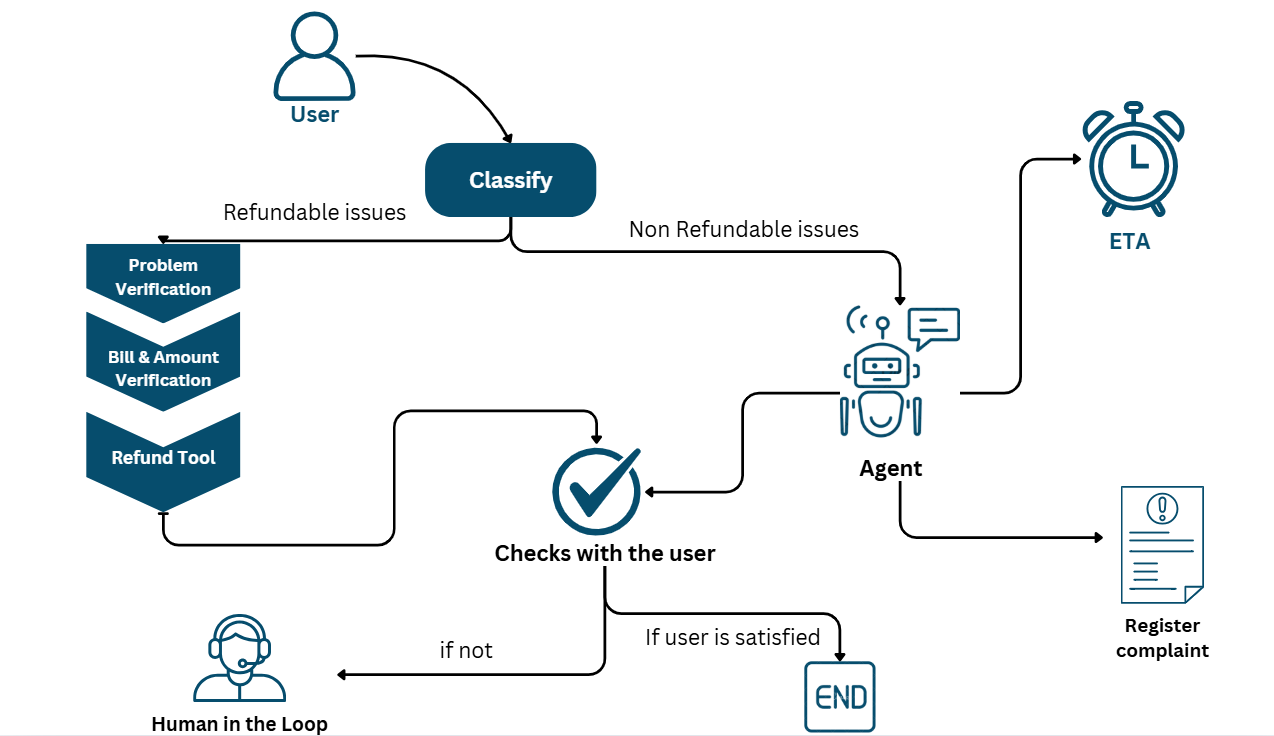
• AI triage with instant human handoff
• Clear “talk to an agent” options
• AI summaries for faster human help
• Transparent limits of automation
These reduce AI customer support backlash significantly.
Why This Backlash Will Intensify
As AI adoption grows, tolerance shrinks.
Customers now:
• Recognize bot behavior instantly
• Expect better experiences
• Share bad interactions widely
Brands that don’t adapt will be punished silently—through churn.
Conclusion
AI customer support backlash isn’t anti-technology. It’s anti-obstruction. Customers don’t hate bots—they hate being trapped by them. In 2026, support quality defines brand trust more than pricing or features.
AI can scale help. But only humans can earn forgiveness.
FAQs
What is AI customer support backlash?
Customer frustration and avoidance caused by AI-only or poorly designed chatbot support.
Do customers hate all chatbots?
No. They hate bots that block human help.
Why are brands slow to notice this backlash?
Because internal metrics hide emotional dissatisfaction.
Can AI and humans work together in support?
Yes—hybrid models perform best.
Will AI-only support survive long-term?
Unlikely, unless it becomes genuinely helpful and transparent.
Click here to know more.