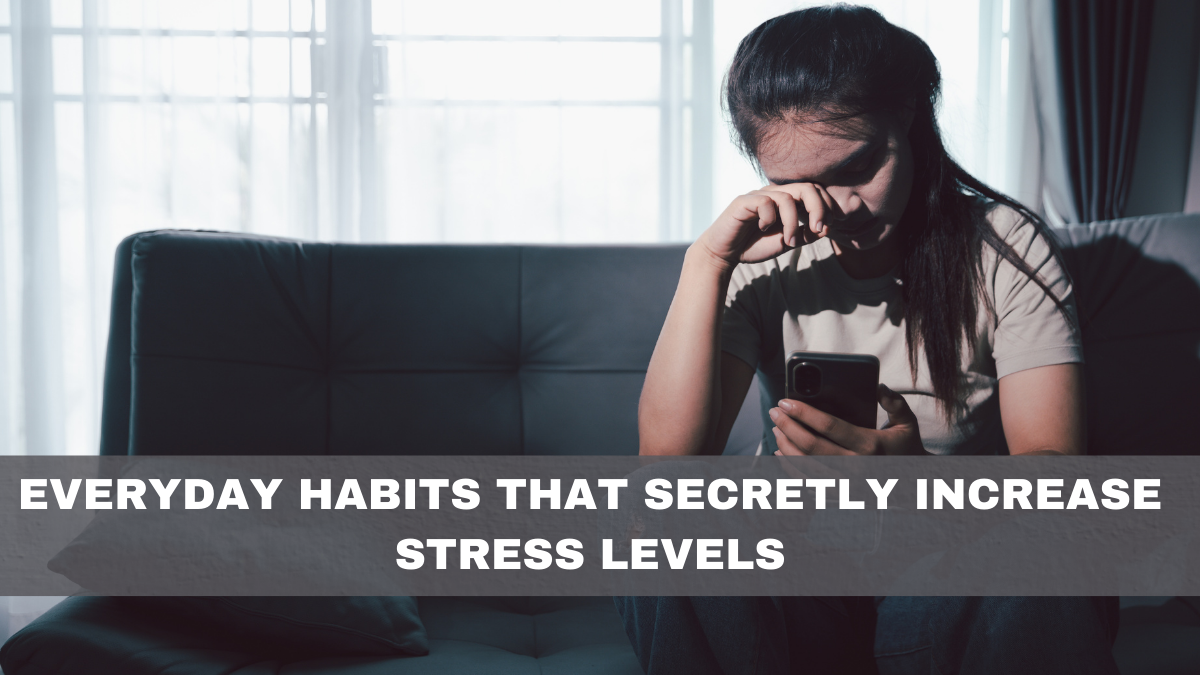
Stress is no longer always loud. It doesn’t always arrive as panic, crisis, or burnout. For many people, stress exists quietly—woven into ordinary days through routines that feel normal but slowly drain mental energy. These modern stress habits don’t look dangerous on the surface, which is why they often go unnoticed.
What makes this form of stress powerful is its subtlety. Hidden stress accumulates through small, repeated behaviors that keep the nervous system slightly activated all the time. Over weeks and months, this low-level activation becomes exhaustion, irritability, and emotional depletion—without a clear cause.
Why Modern Stress Is Hard to Recognize
Stress used to be linked to obvious pressure. Now it’s ambient.
Modern stress hides because:
• Life appears functional
• Tasks get completed
• Nothing feels “wrong enough”
But functioning doesn’t mean relaxed. Many daily routines quietly keep the body in alert mode.
Constant Mental Multitasking
Thinking about many things at once feels productive—but it’s stressful.
Multitasking creates stress by:
• Increasing cognitive load
• Preventing mental closure
• Keeping attention fragmented
The brain never fully rests when tasks overlap constantly.
Always Being “On Call”
Modern availability has no off-switch.
Hidden stress comes from:
• Checking messages reflexively
• Feeling interruptible at all times
• Anticipating responses
Even without notifications, anticipation alone raises stress levels.
Skipping Emotional Check-Ins
Ignoring emotions doesn’t remove them—it stores them.
Daily routines often skip:
• Processing frustration
• Acknowledging fatigue
• Naming emotional strain
Unprocessed emotion becomes background tension.
Replacing Rest With Passive Stimulation
Scrolling feels like rest—but it rarely restores.
Passive stimulation:
• Keeps the brain active
• Prevents nervous system recovery
• Delays emotional settling
True rest requires reduced input, not endless content.
Over-Scheduling “Productive” Time
Full calendars feel responsible.
But over-scheduling:
• Removes recovery space
• Creates time pressure
• Increases urgency
Hidden stress grows when there’s no room to breathe.
Normalizing Low-Level Anxiety
Many people live with constant unease.
This happens when:
• Worry becomes routine
• Tension feels familiar
• Anxiety blends into identity
Modern stress habits make anxiety feel like personality.
Carrying Unfinished Mental Loops
Unfinished tasks linger mentally.
They cause stress by:
• Reappearing unexpectedly
• Creating mental noise
• Preventing relaxation
The brain seeks closure—even for small things.
Comparing Progress Constantly
Comparison isn’t just emotional—it’s stressful.
Daily exposure to others’ progress:
• Triggers self-evaluation
• Increases pressure
• Reduces satisfaction
Hidden stress thrives in comparison-heavy environments.
Ignoring Physical Stress Signals
The body signals stress early.
People ignore:
• Tight shoulders
• Shallow breathing
• Jaw tension
• Fatigue
Ignoring signals allows stress to deepen silently.
Lack of True Transitions
Transitions help the nervous system reset.
Without them:
• Work blends into rest
• Stress carries over
• Recovery shortens
Modern routines often skip intentional transitions entirely.
Why These Habits Add Up
Each habit alone feels manageable.
Together, they:
• Keep stress chronic
• Reduce emotional resilience
• Drain mental energy
Hidden stress accumulates through repetition, not intensity.
Why Awareness Matters More Than Elimination
Not all stress can be removed.
But awareness:
• Interrupts automatic habits
• Allows adjustment
• Prevents escalation
Modern stress habits lose power once noticed.
Small Changes That Reduce Hidden Stress
Stress reduction doesn’t require overhaul.
Helpful shifts include:
• Creating device-free moments
• Allowing mental closure
• Scheduling recovery
• Respecting physical signals
Small reductions restore balance.
Conclusion
Modern stress habits don’t announce themselves—they blend in. Hidden stress lives inside daily routines that keep the nervous system subtly activated. Constant availability, multitasking, passive stimulation, and ignored emotions create stress without drama.
Reducing stress today isn’t about removing all pressure. It’s about noticing the quiet habits that keep tension alive. When those habits change, relief follows naturally—not because life is easier, but because the body finally feels safe enough to rest.
FAQs
What are modern stress habits?
They are everyday behaviors that quietly keep stress levels elevated.
Why is hidden stress hard to notice?
Because life continues to function, making stress feel normal.
Can small habits really increase stress?
Yes. Repeated low-level activation accumulates over time.
How can I reduce hidden stress?
By creating boundaries, reducing constant input, and honoring rest.
Is modern stress different from burnout?
Yes. It’s subtler and often appears long before burnout occurs.
Click here to know more.