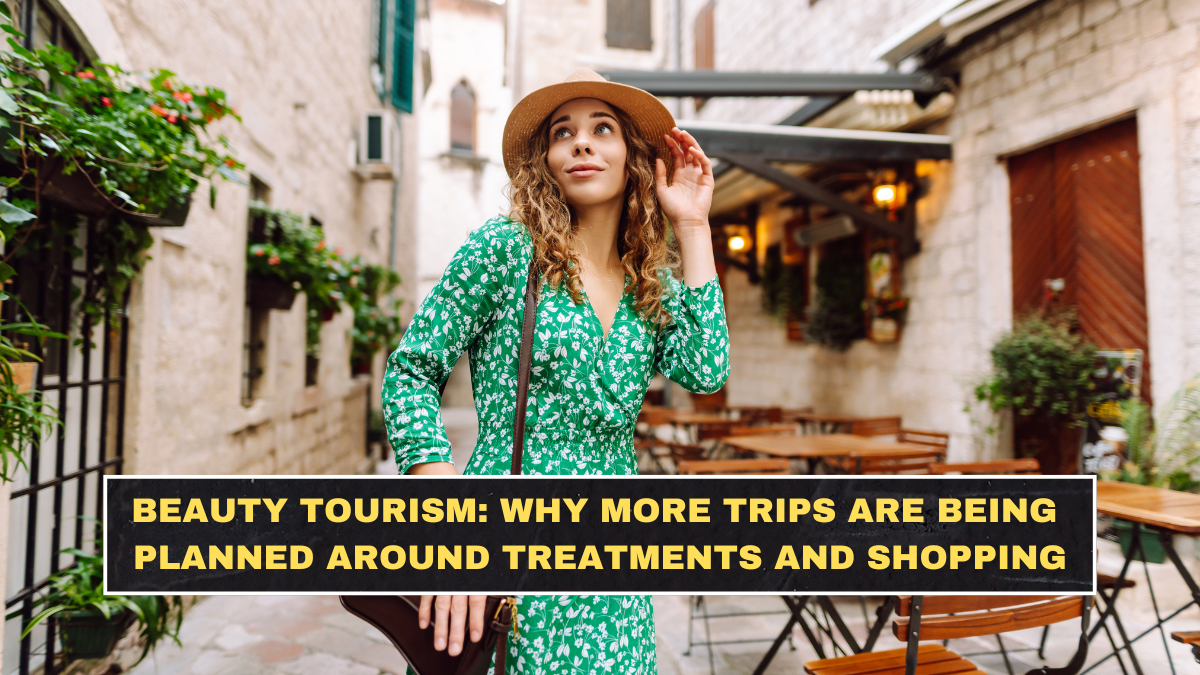
Beauty tourism in 2026 means planning travel partly or fully around beauty-related experiences such as skincare treatments, aesthetic consultations, spa rituals, clinic visits, beauty shopping, and destination-specific beauty culture. It is broader than a classic spa trip because the focus is not only relaxation. The traveler often wants access, results, products, or rituals they believe are better, cheaper, or more distinctive in a specific destination.
That distinction matters. A normal holiday may include a facial as a side activity. Beauty tourism flips the order. The treatment, the beauty district, or the local skincare culture becomes part of the reason for taking the trip in the first place. That is why this trend is now getting treated as a real travel behavior instead of a niche luxury habit.
Why is beauty tourism growing so quickly now?
The biggest driver is that wellness travel is already expanding, and beauty fits naturally inside it. Global wellness trend reporting for 2026 points to more immersive, destination-scale wellness experiences and a wider mix of urban recovery, longevity, and ritual-based travel. Beauty treatments, skincare shopping, and spa-tech services slide directly into that demand.
There is also direct consumer evidence that beauty is influencing trip planning. BeautyMatter, citing Skyscanner’s 2026 travel trends, reported that 33% of global travelers want to experience local beauty culture and 20% say social media influences their trip planning around beauty. Skyscanner’s own beauty travel page also says 38% of Gen Z travelers plan to seek out beauty treatments and skincare stores while traveling in 2026. That is not trivial curiosity. That is behavior shaping itineraries.
What are people actually traveling for?
The demand is split between treatments, shopping, and beauty culture. Some travelers want facials, LED sessions, microneedling, oxygen therapy, injectables, or clinic-led skin consultations. Others care more about destination beauty retail, such as K-beauty shopping in Seoul, luxury pharmacy and skincare shopping in Paris, or specialty beauty districts in Tokyo. Recent reporting on glowcations says travelers are combining treatments with recovery time, sightseeing, and beauty retail instead of treating those as random extras.
This is why beauty tourism is different from lazy “self-care travel” language. The spending is more targeted. The traveler is not just buying calm. They are buying expertise, novelty, local beauty credibility, and products they can carry home. That makes the category commercially attractive for hotels, clinics, retailers, and travel companies all at once.
Which destinations are benefiting most?
Reporting on 2026 beauty travel repeatedly points to South Korea, Japan, Thailand, France, and Turkey as standout destinations. South Korea is often linked to advanced skincare, clinic culture, and K-beauty shopping. Japan benefits from beauty retail, ritual-based care, and premium product credibility. France keeps its position through prestige beauty shopping and pharmacy culture, while Thailand and Turkey are repeatedly named for treatment access and value.
That is not random. These places already had beauty authority before the trend got a name. Beauty tourism is growing fastest where travelers believe they can get one of three things: better treatment quality, stronger beauty-shopping value, or a more culturally specific beauty experience. Places without that credibility can market wellness, but they have a harder time owning beauty tourism specifically.
Why does this trend appeal so strongly to younger travelers?
Because younger travelers increasingly want trips to reflect identity, not just location. BeautyMatter’s summary of Skyscanner’s 2026 report says travel is becoming more personal and interest-led, with travelers asking why they travel rather than only where they travel. Beauty fits that perfectly because it combines self-improvement, visible payoff, and social sharing.
Gen Z is especially relevant here. Skyscanner’s beauty travel page says 38% of Gen Z plan to seek out beauty treatments and skincare stores while traveling, compared with far lower rates among older groups. That gap matters because it shows beauty tourism is not being driven equally across all ages. It is being pushed hardest by travelers who already treat skincare, scent, and beauty discovery as part of lifestyle identity.
What is pushing beauty tourism more than simple spa travel?
| Driver | Why it matters in 2026 |
|---|---|
| Beauty shopping | Travelers want destination-specific products and beauty districts |
| Treatments abroad | Clinics and treatment hubs create travel-worthy reasons to book |
| Wellness overlap | Beauty fits naturally into broader wellness itineraries |
| Social media influence | Beauty-led travel is highly visual and easy to share |
| Younger traveler demand | Gen Z shows stronger intent to seek beauty experiences abroad |
This table explains the trend better than vague wellness language. Spa travel is passive. Beauty tourism is more transactional and more intentional. The traveler often has a list, a treatment goal, a shopping plan, or a destination-specific beauty agenda before the trip even starts. That is why it feels more commercially serious than the old spa-weekend model.
Is beauty tourism really about wellness, or mostly about consumption?
Both, and pretending otherwise is dishonest. A big part of the trend is obviously consumption. Travelers are buying products, treatments, and experiences tied to self-image. But it also overlaps with genuine wellness behavior because many trips now include recovery time, rest, thermal rituals, and destination-based self-care. The problem is that the wellness label can make heavy beauty spending sound more noble than it really is.
That is the blind spot most trend pieces avoid. Beauty tourism grows because it flatters both sides of the traveler’s ego. It feels restorative and aspirational at the same time. People can say they are prioritizing wellbeing while also shopping hard and chasing visible results. The category wins because it does not force them to choose.
Why is this trend likely to keep growing?
Because it sits at the overlap of expanding wellness travel, strong skincare spending, and more identity-driven trip planning. Multiple 2026 sources point to travelers wanting trips built around interests, rituals, and personal meaning rather than generic sightseeing alone. Beauty fits that demand extremely well because it is experiential, retail-friendly, and easy to package.
The other reason is simple: the behavior is easy to monetize. Airports, hotels, department stores, clinics, pharmacies, spas, and tour planners can all participate. That makes beauty tourism stronger than a passing hashtag. Once a trend creates spending across that many sectors, it usually has more staying power than people expect.
Conclusion
Beauty tourism in 2026 is real because travelers are increasingly building trips around treatments, skincare shopping, and destination-specific beauty culture instead of treating those as side activities. The strongest evidence comes from travel trend reporting showing real intent among global and Gen Z travelers, plus broader wellness-tourism growth that gives beauty a bigger stage to grow on.
The blunt truth is that this trend is not just about spa days or “self-care” language. It is about people using travel to buy expertise, status, products, and visible results. Wellness is part of the story, but consumption is too. Anyone pretending otherwise is just writing prettier marketing copy.
FAQs
Is beauty tourism different from a regular spa vacation?
Yes. Beauty tourism is more treatment- and shopping-led, while a regular spa vacation is usually centered on relaxation and general wellness.
Which countries are most associated with beauty tourism in 2026?
South Korea, Japan, Thailand, France, and Turkey are among the most frequently cited destinations because of beauty retail, treatment access, and local beauty credibility.
Why are younger travelers pushing this trend?
Because younger travelers are more likely to treat beauty and skincare as part of personal identity and trip planning. Skyscanner’s 2026 beauty travel page says 38% of Gen Z plan to seek out beauty treatments and skincare stores while traveling.
Is beauty tourism mainly about wellness or about shopping?
Click here to know more