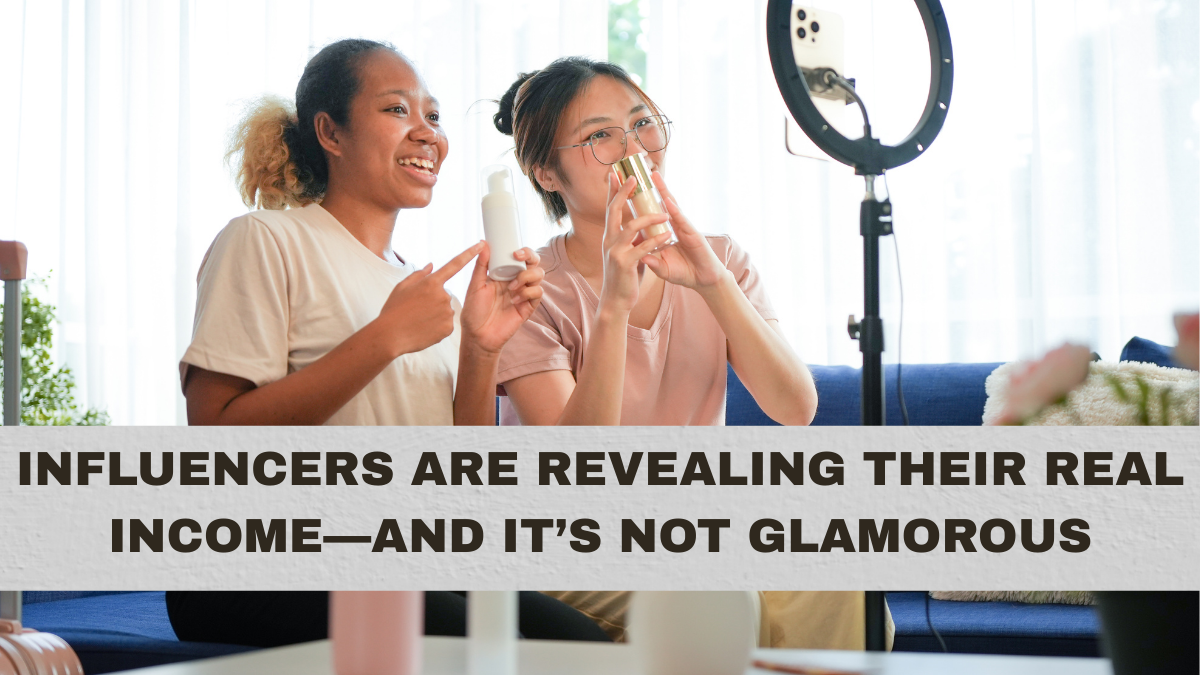
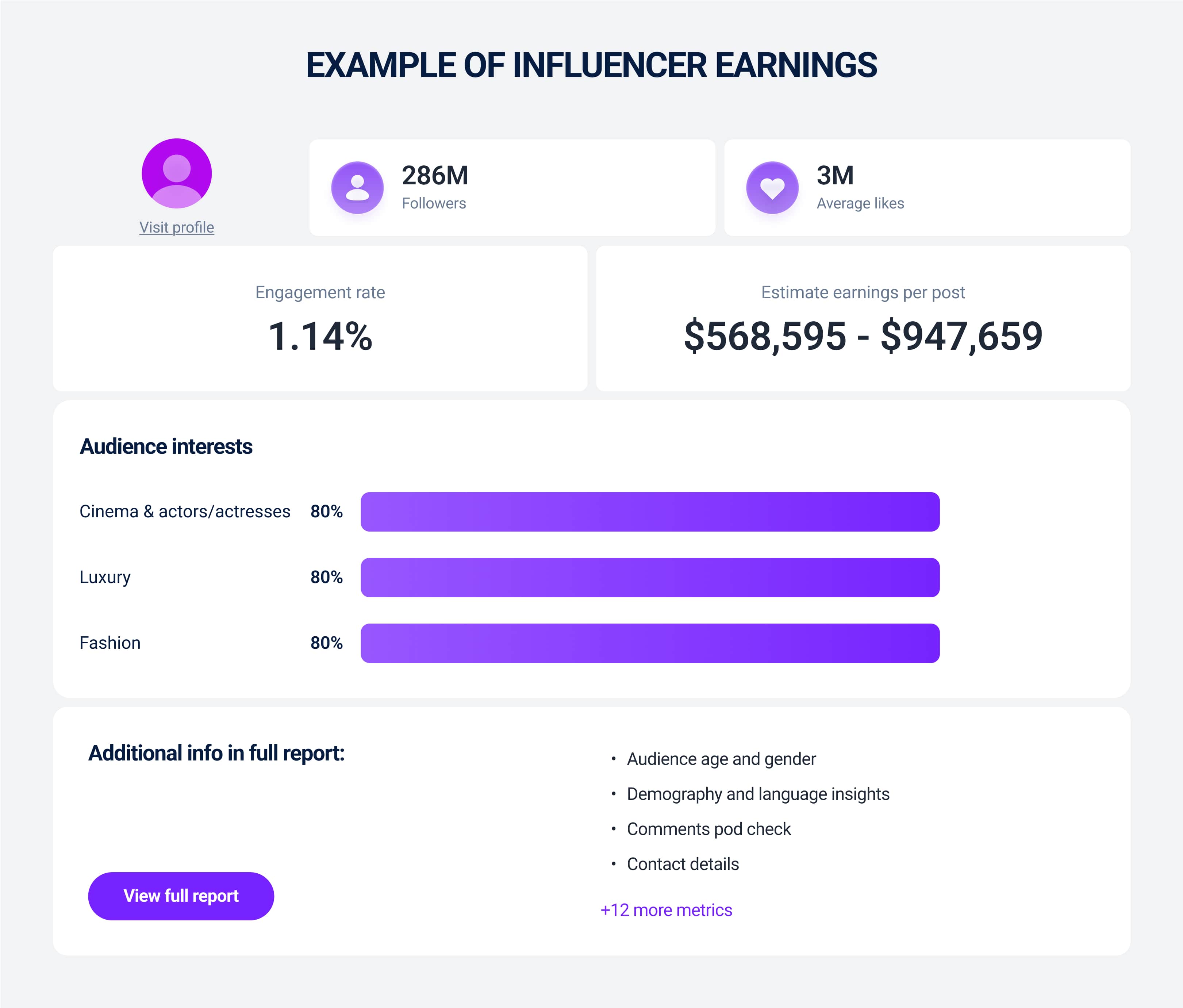
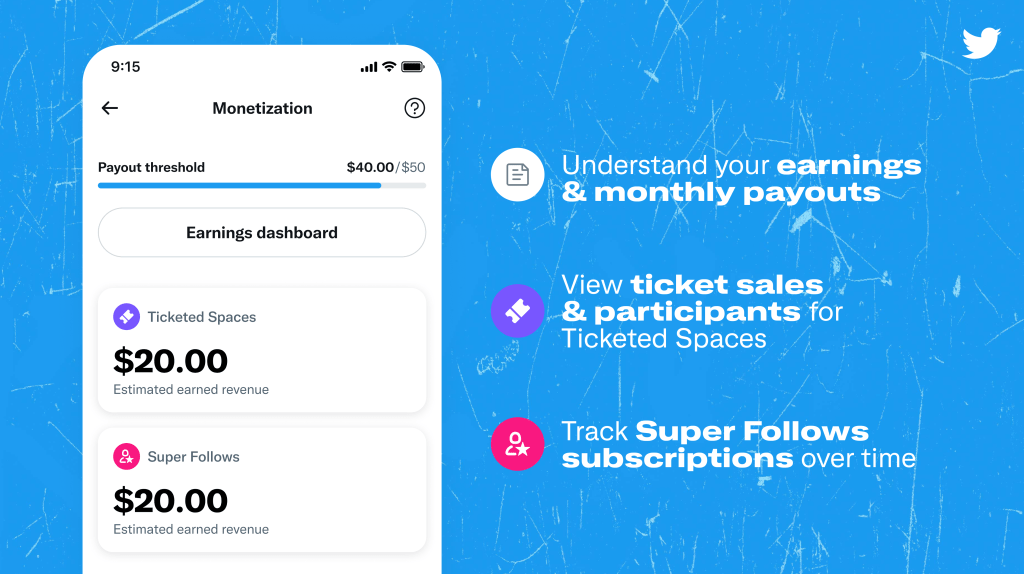
For years, influencer life looked effortless: brand deals, free trips, passive income. In 2026, that illusion is cracking. Influencer salary transparency is spreading across platforms as creators openly share screenshots, payout dashboards, and monthly breakdowns—and the numbers are sobering.
What’s being revealed isn’t luxury. It’s volatility.

Why Influencer Salary Transparency Is Finally Happening
The shift didn’t start from generosity. It started from pressure.
Creators began sharing income because:
• Audiences questioned authenticity
• New creators felt misled
• Burnout increased behind the scenes
• Platform payouts became unpredictable
Silence benefited platforms. Transparency benefits creators.
The Myth of ‘Viral = Rich’ Is Breaking
Viral reach never guaranteed income—but people assumed it did.
Reality checks include:
• Millions of views with minimal payout
• Brand deals tied to niche, not fame
• Algorithms controlling exposure
• Income gaps between similar-sized creators
Influencer salary transparency exposes how little virality alone pays.
What Influencer Income Actually Looks Like in 2026
Shared earnings reveal uneven cash flow.
Common patterns:
• One good month followed by two dry ones
• Brand deals making up most income
• Platform payouts being the smallest slice
• Heavy dependence on external links
Consistency is rare. Stress is constant.
Why Platforms Don’t Want This Transparency
Platforms benefit from aspirational myths.
They prefer creators believe:
• Growth equals stability
• Hustle guarantees payoff
• Monetization will “come later”
Influencer salary transparency threatens this narrative—and reduces free labor.
How Brand Deals Skew Public Perception
Brand income is selective and opaque.
Problems include:
• Non-disclosure clauses
• One-off campaigns mistaken as regular pay
• Free products framed as income
• Payment delays and ghosting
Transparency shows that many “paid” creators aren’t paid often.
Why Mid-Sized Creators Are the Most Vulnerable
Large creators diversify. Small creators expect little.
Mid-tier creators struggle because:
• They rely heavily on brand deals
• Algorithms fluctuate reach
• Expenses scale faster than income
• Negotiation power is limited
This is where influencer salary transparency hits hardest.
The Mental Health Impact of Income Instability
Money uncertainty amplifies burnout.
Creators report:
• Anxiety around posting performance
• Pressure to accept underpaid deals
• Fear of algorithm drops
• Difficulty planning personal finances
Public success hides private stress.
What Transparency Is Teaching New Creators
The upside of honesty is education.
New creators now understand:
• Income takes years to stabilize
• Multiple revenue streams are essential
• Platforms are not employers
• Passion doesn’t equal pay
Influencer salary transparency resets expectations early.
Why Audiences Are Reacting Positively
Contrary to fears, honesty builds trust.
Audience responses include:
• More empathy
• Higher engagement
• Support through memberships
• Respect for boundaries
Transparency humanizes creators.
How Creators Are Rethinking Monetization
With myths gone, strategies change.
Shifts include:
• Direct subscriptions
• Owned communities
• Digital products
• Reduced platform dependence
Income control matters more than reach.
Why This Changes the Creator Economy Long-Term
The economy matures when illusions die.
Outcomes likely include:
• Fewer exploitative platforms
• Smarter creator entry decisions
• Less glamor, more realism
• Sustainable creative careers
Influencer salary transparency isn’t killing dreams—it’s grounding them.
Conclusion
The creator economy didn’t collapse—it grew up. Influencer salary transparency in 2026 shows that influence is work, income is unstable, and success isn’t automatic. The glamour fades, but what replaces it is healthier: realism, trust, and smarter choices.
Creators aren’t weaker for being honest. They’re finally in control.
FAQs
What is influencer salary transparency?
Creators openly sharing real income and earnings data.
Do influencers really earn less than expected?
Many do—especially outside the top tier.
Why didn’t creators share income before?
Stigma, contracts, and platform pressure discouraged it.
Does transparency hurt creators?
No. It builds trust and realistic expectations.
Will this change influencer marketing?
Yes—brands and creators will negotiate more honestly.
Click here to know more.