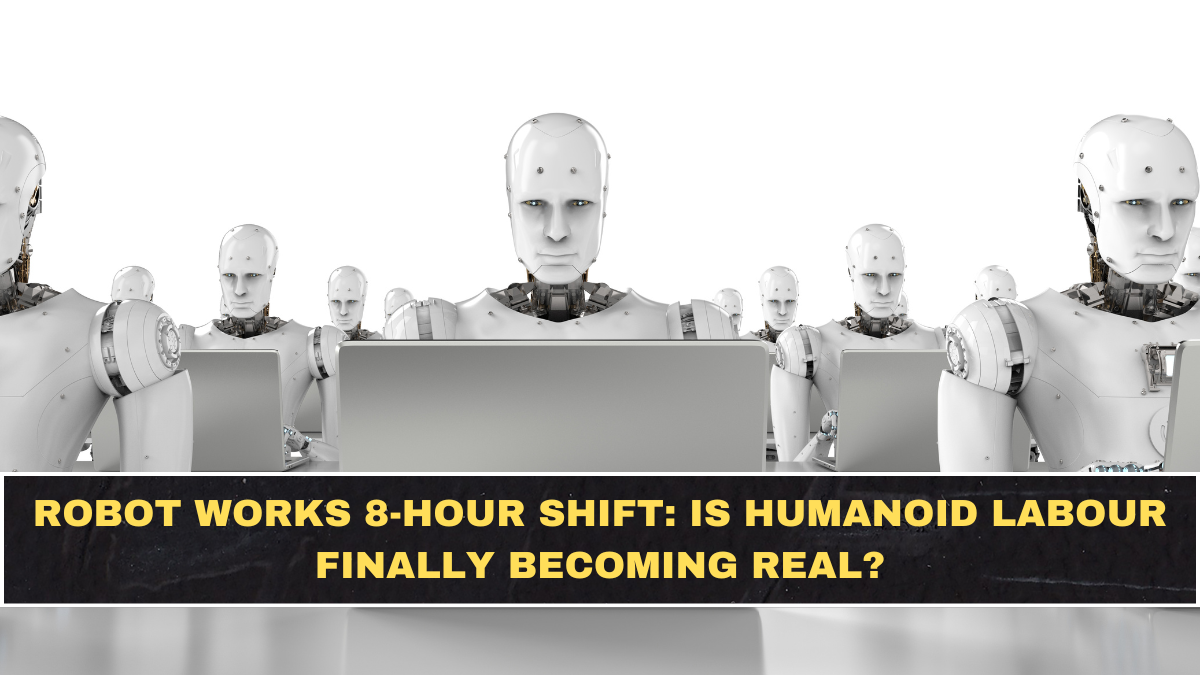
Figure AI has pushed the humanoid robot debate into a new phase after livestreaming its robots handling warehouse-style work for a full eight-hour shift. The company claimed the robots were running fully autonomously on its Helix-02 system, moving packages and keeping operations going without direct human control. India Today reported that the robot was seen moving delivery packages onto a conveyor belt in a warehouse-like environment.
This matters because robotics companies are often criticised for short, polished demo videos that hide failures, resets and human help. An eight-hour livestream is a stronger public test because it forces the robot to show endurance, repetition and consistency. But the smart reaction is not blind excitement. The real question is whether this can work reliably in actual warehouses, factories and messy workplaces.
What Did Figure AI Show?
Figure’s public broadcast focused on humanoid robots performing repetitive package-handling work at what the company described as human performance levels. The robots were reportedly powered by Helix-02, Figure’s full-body autonomy system. Figure’s official Helix-02 page says the system controls walking, manipulation and balancing as one continuous system, directly from visual input.
Here is the quick breakdown:
| Demo Detail | What It Means | Why It Matters |
|---|---|---|
| Duration | 8-hour livestream | Tests endurance beyond short clips |
| Task | Package handling | Common warehouse use case |
| AI system | Helix-02 | Full-body autonomy claim |
| Robot type | Humanoid | Built for human-like workspaces |
| Big question | Real-world reliability | Demo success is not mass deployment |
The key point is that this was not a robot dancing, waving or doing a staged trick. Package sorting is boring, repetitive and physically demanding. That is exactly why companies want robots for it.
Why Is This Demo Important?
This demo is important because warehouses and factories are hungry for automation that can work in spaces designed for humans. Traditional robots are powerful but often need fixed stations, cages, conveyor setups or controlled environments. Humanoid robots promise something different: machines that can walk, reach, lift, bend and work around existing human infrastructure.
Figure’s own Figure 03 product page lists a 5-hour runtime, 20 kg payload, 1.2 m/s speed and electric system. That means an eight-hour workday may require multiple robots, charging cycles or operational planning rather than one robot simply working like a human nonstop. This distinction matters because marketing language can easily outrun engineering reality.
Is This Bad News For Workers?
It is not immediate mass job replacement, but workers should not dismiss it either. The lazy answer is “robots will never replace humans,” and that is becoming less convincing every year. If humanoid robots can handle repetitive warehouse tasks for long shifts, employers will seriously compare robot cost, uptime, safety and productivity against human labour.
The jobs most exposed first are not complex decision-making roles. They are repetitive physical tasks with clear objects, predictable movement and measurable output. That includes package sorting, loading parts, moving bins, scanning items and simple factory support work. Human workers will still be needed, but the value of purely repetitive labour may come under pressure.
Where Could Robots Be Used First?
The first serious use cases will probably be controlled industrial environments, not random homes. Warehouses, logistics centres and factories offer clearer tasks, known layouts, business ROI and direct productivity measurement. BMW has already tested humanoid robots in production environments, and Figure said its Figure 02 deployment at BMW Spartanburg involved 10-hour shifts and more than 90,000 parts loaded during the programme.
Likely early use cases include:
- Package sorting and conveyor loading
- Parts movement in factories
- Repetitive warehouse handling
- Night-shift support work
- Dangerous or physically tiring tasks
- Basic inspection and material movement
The blunt truth is that robots do not need to do every human job to matter. They only need to do enough repetitive work cheaper or more reliably to change labour economics.
What Could Still Go Wrong?
A livestream does not prove mass-market readiness. Real workplaces are chaotic. Boxes arrive damaged, labels are unclear, floors are uneven, workers walk nearby, lighting changes, batteries degrade and machines break. A robot that works well in one prepared setup may still fail when conditions change.
Cost is another huge question. Humanoid robots must justify hardware price, maintenance, downtime, training, software updates, safety compliance and integration costs. If the robot is impressive but too expensive, companies will treat it as a pilot project, not a workforce replacement. That is why the next phase must prove economics, not just autonomy.
What Is The Final Takeaway?
Figure AI’s eight-hour robot shift is a serious signal that humanoid robotics is moving from flashy demos toward practical work trials. The demo shows progress in endurance, coordination and physical AI, especially for repetitive warehouse tasks. But it does not mean robots are ready to replace human workers everywhere tomorrow.
The hard truth is simple: this is impressive, but not settled. If Figure and its rivals prove reliability, safety and cost advantage at scale, humanoid labour can become real. If they cannot, these robots will remain expensive demo machines that look futuristic but fail in everyday operations.
FAQs
What Did Figure AI’s Robot Do For 8 Hours?
Figure AI livestreamed humanoid robots performing warehouse-style package-handling work for an eight-hour shift. The company claimed the robots were operating autonomously using its Helix-02 AI system.
Was The Robot Fully Autonomous?
Figure AI claimed the shift was fully autonomous and powered by Helix-02. However, viewers and companies should still judge autonomy carefully by looking at resets, environment control, failure handling and whether the system works in real warehouses.
Will Humanoid Robots Replace Warehouse Workers?
Humanoid robots may replace or reduce some repetitive physical tasks over time, especially in warehouses and factories. But full replacement is unlikely immediately because real workplaces require judgment, safety handling, exception management and human supervision.
Why Is Figure AI’s Demo Important?
The demo is important because it tested humanoid robots over a full work-shift length instead of a short edited clip. If such systems become reliable and affordable, they could reshape warehouse automation and future labour planning.