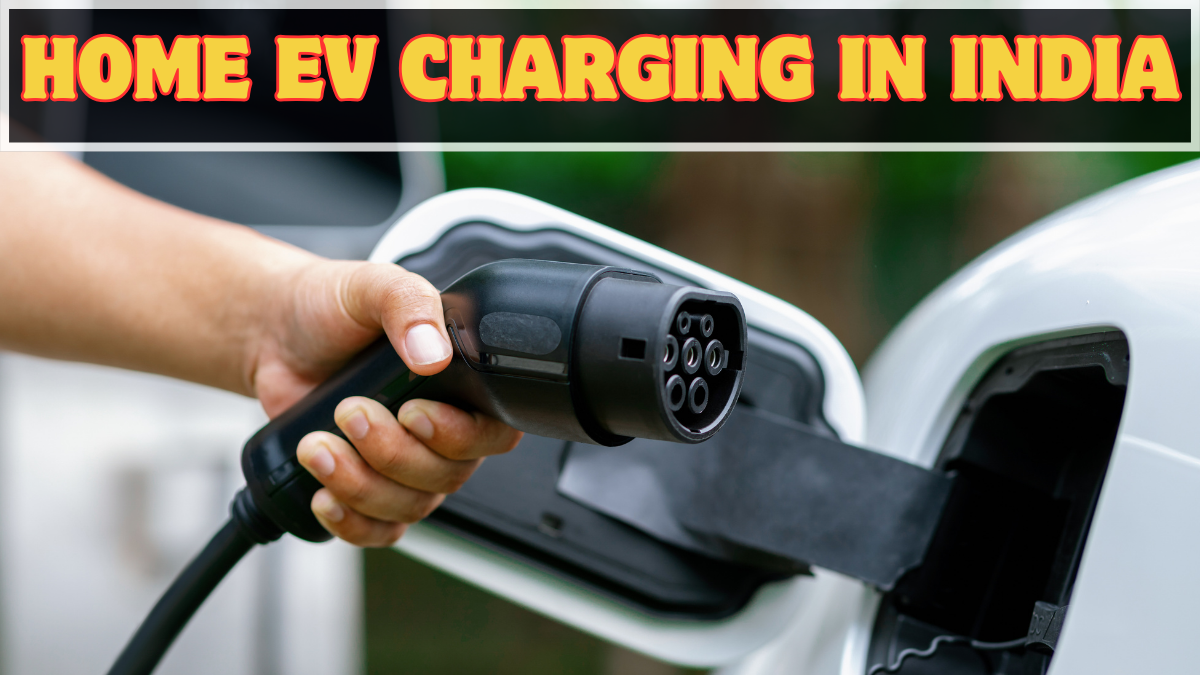
EV charging at home India sounds simple until you actually try to set it up—especially in an apartment. Most confusion comes from mixed advice: some people say “just use a 15A socket,” others push expensive wall boxes, and housing societies add their own rules. The result is hesitation, unsafe setups, or unnecessary spending.
The reality in 2026 is clearer than people think. Home EV charging is absolutely doable for apartment owners if you understand load requirements, permissions, and safety basics. This guide breaks it down practically—no sales pitch, no overkill.
How Home EV Charging Works in Indian Apartments
At its core, EV charging at home is just controlled electricity delivery.
Most home setups use:
• AC slow charging
• Single-phase power
• Personal meter connection
Fast chargers are rarely needed at home and often impractical in apartments.
Apartment Charging: What’s Actually Allowed
Apartment charging depends on three things:
• Parking ownership (assigned vs common)
• Access to your electricity meter
• Housing society rules
Most societies now allow personal chargers if wiring is safe and metered separately. Written permission avoids future disputes.
Do You Really Need a Wall Charger
Not always.
You can charge using:
• Portable charger with 15A socket
• Dedicated wall-mounted AC charger
Portable chargers work for low daily usage. Wall chargers are safer and faster for regular use.
Meter Load: The Most Ignored Requirement
Meter load matters more than the charger brand.
Typical requirements:
• 3.3 kW charger → ~4–5 kW sanctioned load
• 7.4 kW charger → ~8–9 kW load
If your meter load is too low, breakers will trip or wiring will overheat. Load upgrade is often mandatory.
Safety Rules You Should Never Ignore
Safety mistakes are the biggest risk with EV charging at home India.
Non-negotiable safety basics:
• Dedicated circuit from meter
• Proper earthing
• MCB + RCCB protection
• Quality industrial socket
Avoid extension cords and shared wiring—this is where fires start.
Cost Estimate: What Home EV Charging Really Costs
This is where myths explode.
Typical cost estimate:
• Portable charger setup: ₹3,000–₹6,000
• Wall charger (company supplied): ₹15,000–₹40,000
• Meter load upgrade: ₹2,000–₹7,000
• Wiring & installation: ₹3,000–₹10,000
Total realistic range: ₹8,000 to ₹50,000 depending on setup.
Monthly Electricity Cost for EV Charging
Running cost is surprisingly low.
Approximate calculation:
• Small EV (30 kWh battery)
• 4–5 full charges per month
• Electricity cost ₹7–9/unit
Monthly cost usually stays under ₹1,200 for most users.
Charging Time Expectations
Charging is slow by design at home.
Typical times:
• 15A socket → 8–12 hours
• 3.3 kW wall charger → 6–8 hours
• 7.4 kW charger → 3–4 hours
Overnight charging fits most daily routines.
Common Apartment Society Objections (And How to Handle Them)
Societies usually worry about:
• Fire risk
• Power theft
• Aesthetic clutter
Solutions:
• Show electrical safety certification
• Use individual metering
• Keep wiring clean and concealed
Clarity reduces resistance.
Is Public Charging Still Necessary
Yes—but less often.
Home charging covers:
• Daily commuting
• Routine usage
Public chargers are mainly for:
• Long trips
• Emergency top-ups
Home charging reduces dependency but doesn’t eliminate public infrastructure.
What You Should Avoid Completely
Avoid:
• Shared sockets
• Loose earthing
• Cheap adapters
• Unauthorised wiring
These shortcuts cost more later.
Future-Proofing Your Home Charging Setup
Plan slightly ahead.
Smart choices:
• Extra conduit space
• Load headroom
• Charger compatible with upgrades
This prevents rewiring costs later.
Conclusion
EV charging at home India is practical, safe, and affordable—if done correctly. Apartment charging works when meter load, wiring, and permissions are handled upfront. You don’t need fast chargers or complex setups. You need clean electrical work and realistic expectations.
Do it once. Do it safely. Then forget about charging stress entirely.
FAQs
Can I charge an EV at home in an apartment?
Yes, with proper wiring, meter access, and society permission.
Is a wall charger mandatory?
No. Portable chargers work for light usage, but wall chargers are safer.
How much load upgrade is needed?
Usually 4–9 kW depending on charger capacity.
Is home EV charging safe?
Yes, if dedicated wiring and protection devices are used.
What’s the monthly cost of charging an EV at home?
Typically under ₹1,200 for average city usage.