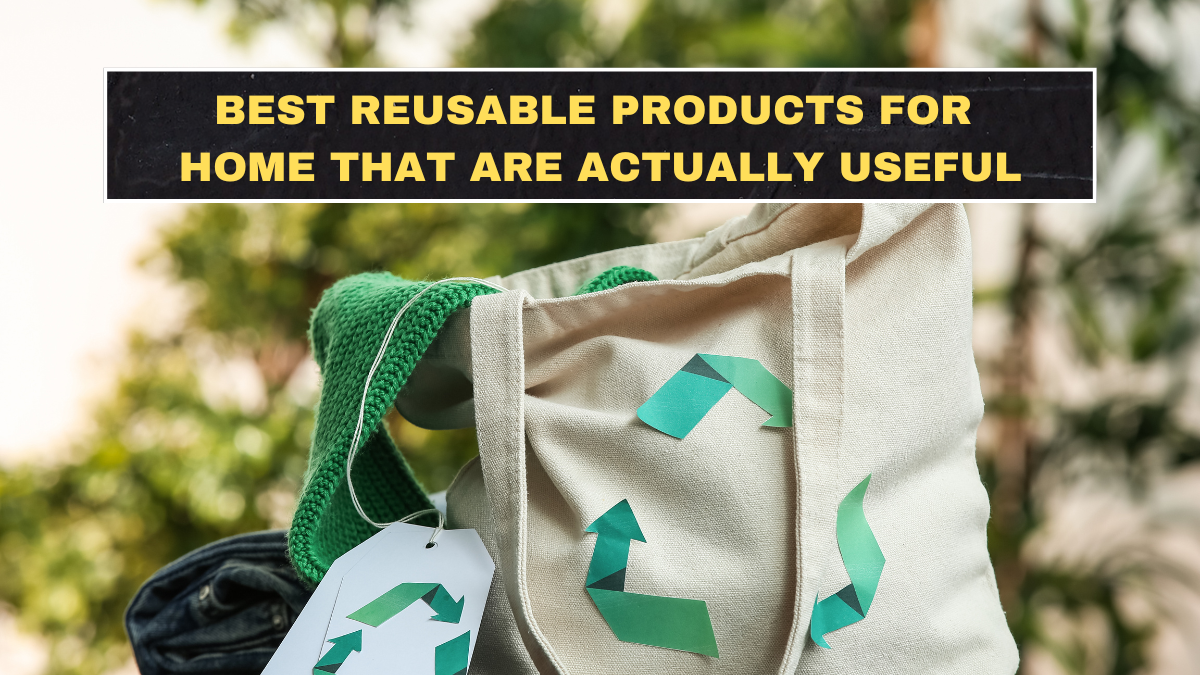
Reusable products for home only make sense when they replace something you already use often enough to matter. That is the part people keep getting wrong. They buy trendy low-waste items, use them twice, then leave them in a drawer and call the whole idea inconvenient. The better approach is simpler: choose reusable products that fit routines you already have. EPA guidance on reducing waste puts reuse near the center of waste prevention, and EPA also notes that a sustainable materials approach focuses on using and reusing resources more productively across their life cycles. That matters because household swaps work best when they reduce repeat purchases and keep useful materials in circulation longer.
There is also a bigger reason these swaps matter beyond just household tidiness. EPA says more than 40 percent of U.S. emissions result from the production, transportation, use, and disposal of material goods, which means using things longer and replacing fewer disposable items can matter more than people assume. NRDC’s consumer guidance also recommends stepping down dependence on single-use plastics by using reusable totes, bottles, cups, and utensils instead of treat-everything-as-throwaway convenience habits.
Which reusable products are actually worth bringing into a home?
The best reusable products are usually the boring ones. Reusable shopping bags, water bottles, food containers, cloth kitchen towels, refillable cleaning bottles, lunch containers, and long-lasting dish cloths tend to outperform more “aspirational” eco products because they solve everyday problems directly. EPA explicitly points to reusing bags and containers as practical ways to prevent waste, while NRDC specifically recommends reusable bottles, travel mugs, and reusable utensils as straightforward ways to cut down on single-use plastics.
This is the brutal truth most people avoid: a reusable product is not automatically useful because it is reusable. It becomes useful when it saves you repeated purchases, reduces daily annoyance, or fits the way you already shop, eat, clean, and store things. A reusable container set that replaces constantly buying zip bags or tossing takeout containers matters. A weird bamboo gadget you never wanted in the first place does not.
| Reusable product | Why it is actually useful | What it can replace |
|---|---|---|
| Reusable shopping bags | Easy to keep by the door or in the car | Disposable store bags |
| Refillable water bottle | Daily use at home, work, or travel | Single-use plastic bottles |
| Reusable food containers | Better leftovers and pantry storage | Disposable containers or bags |
| Cloth kitchen towels | Repeated cleaning and drying use | Paper towels for many tasks |
| Travel mug or cup | Useful for commuting and errands | Disposable coffee cups and lids |
| Refillable spray bottles | Helps with cleaning concentrates | Repeated single-use cleaner bottles |
Why are reusable shopping bags and bottles still some of the best swaps?
Because they are used often enough to matter. NRDC specifically recommends replacing disposable bags with reusable totes and avoiding bottled water by carrying a reusable bottle instead. EPA also highlights reusing bags and containers as direct waste-prevention steps. These are not glamorous products, but they work because the habit opportunities are frequent. Grocery shopping, errands, commuting, and daily hydration happen often enough that even simple swaps can keep a lot of throwaway packaging out of the routine.
There is also a convenience angle people underestimate. A decent water bottle is not just an eco item. It is a carry item. A strong reusable bag is not just a values statement. It is often better than flimsy store bags. That is why these products survive while trendier swaps fade. They keep being useful even when you stop caring about the “lifestyle.”
Which reusable kitchen products pull the most weight?
Food containers, cloth towels, lunch containers, and durable drinkware usually do the most. EPA’s home waste-reduction advice encourages reducing household waste through reuse, and NRDC’s plastic-reduction guidance points toward cooking more and relying less on throwaway food packaging and drink containers. Reusable kitchen products help most when they support that pattern directly: storing leftovers, packing food, wiping surfaces, and reducing daily paper or plastic use.
This is where people often overcomplicate things. You do not need to replace every disposable product at once. Start with the things you burn through the fastest. If your household uses paper towels constantly for minor spills, cloth towels and washable cloths are worth considering. If you buy bottled drinks all week, reusable drinkware matters more. If takeout leftovers keep piling up in low-quality packaging, reusable containers are the smarter purchase.
Are reusable cleaning products really practical?
Yes, when they cut down on repeat bottle buying rather than adding extra steps for no reason. EPA’s waste-reduction guidance supports reuse and more efficient material use, and refillable cleaning systems fit that idea because they reduce the number of disposable containers moving through the house. A refillable spray bottle used with concentrates or bulk cleaner can make more sense than repeatedly buying fully packaged cleaners, especially for everyday surfaces.
But this category only works if you stay realistic. If mixing your own cleaners turns into a complicated chemistry hobby you will not maintain, it is probably not your swap. The useful version is simpler: durable bottles, repeat refills, and cloths or mop pads you will actually wash and reuse.
What reusable products do people overrate?
Anything bought mainly for guilt relief instead of daily use. This is where a lot of low-waste shopping turns into self-deception. A product may sound sustainable and still be pointless in your house. EPA’s guidance is about reducing waste through real reuse, not accumulating more things under a greener label. The same logic applies to NRDC’s anti-single-use advice: the point is to replace repeated disposables with reusable versions you truly use, not to collect eco-branded clutter.
That means you should be suspicious of swaps that are expensive, fragile, hard to clean, or awkward to carry. Reusability on paper is not the same as usability in real life. If the product creates friction, many households will quietly go back to disposables.
How should you decide which reusable products to buy first?
Look at what you throw away repeatedly. That is the obvious answer, and people still avoid it because it is less exciting than shopping trend lists. If your home constantly goes through grocery bags, water bottles, takeaway cups, lunch packaging, paper towels, or cleaning bottles, those are the categories worth checking first. EPA’s home guidance says reducing waste starts right in the home, and its reuse basics page specifically frames bags and containers as direct reuse opportunities.
A better first purchase is usually one that gets used weekly or daily and does not require a lifestyle overhaul. That is why reusable bags, bottles, containers, and cloths keep beating fancier “sustainable products.” They are not exciting. They are just effective.
Conclusion
The best reusable products for home are the ones that quietly replace wasteful habits without becoming a burden. EPA and NRDC guidance both point toward the same basic logic: reuse matters most when it is practical, repeated, and tied to real household routines. Reusable shopping bags, water bottles, food containers, cloth kitchen towels, refillable cleaning bottles, and travel cups are still some of the strongest swaps because they solve daily-use problems instead of performing sustainability for appearances. If a reusable product does not make life easier or at least equally easy, it probably will not last in your home.
FAQs
What is the most useful reusable product for home?
Reusable shopping bags and reusable water bottles are among the most useful because EPA and NRDC both highlight them as practical replacements for common single-use items.
Are reusable products really better than disposables?
They can be, especially when they are used repeatedly and replace everyday waste. EPA’s sustainable materials guidance supports more productive use and reuse of resources across a product’s life cycle.
Which reusable kitchen products are worth buying first?
Reusable food containers, cloth kitchen towels, and reusable drinkware are good first choices because they fit daily storage, cleanup, and meal routines. EPA and NRDC guidance both support practical reuse in these areas.
How do I know if a reusable product is actually worth it?
It is usually worth it if it replaces something you throw away often and if you can imagine using it easily every week. If it adds friction or becomes clutter, it is probably not a smart swap.