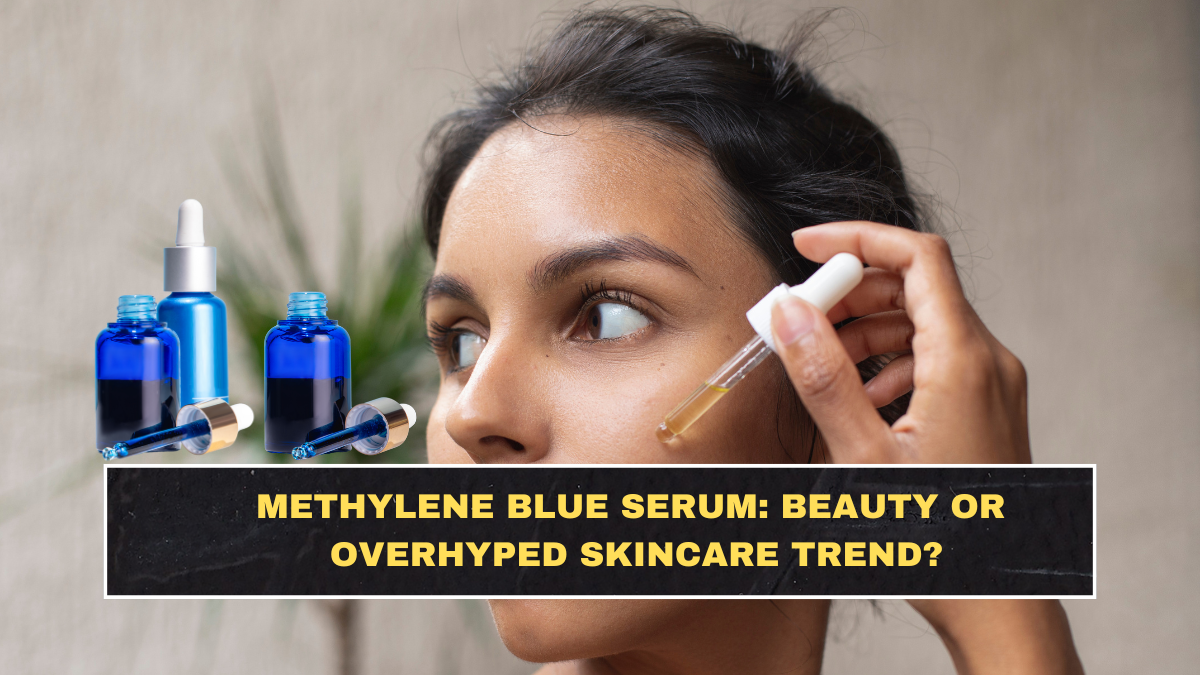
Methylene blue serum is a skincare product that uses methylene blue, a synthetic blue dye compound that has also been used in medicine and laboratory research. In beauty products, it is being promoted as an antioxidant ingredient that may help with signs of skin aging, dullness, texture, oxidative stress, and barrier support.
The reason it sounds convincing is that methylene blue is not a random plant extract invented for marketing. Research published in Scientific Reports found that methylene blue showed antioxidant effects in cultured human skin fibroblasts and improved markers linked to skin aging in lab and 3D skin model experiments.
But buyers need to slow down. Lab studies and reconstructed skin models are not the same as long-term clinical proof on real consumers using commercial serums. The science is interesting, but the skincare market is already doing what it always does: turning early research into big promises before the evidence is fully mature.
Why Is Methylene Blue Suddenly Popular In Skincare?
Methylene blue is becoming popular because consumers are tired of the same antioxidant names and are looking for the next “smart” anti-aging ingredient. Vitamin C, niacinamide, peptides, retinol, and ceramides are already mainstream, so beauty brands need fresh science-led stories to stand out. Methylene blue gives them exactly that: a futuristic-looking blue ingredient with mitochondrial and antioxidant claims.
The University of Maryland reported in 2017 that methylene blue improved physical, biochemical, and genetic aging markers in experiments using human skin cells and simulated skin tissue. That kind of research made the ingredient attractive for brands trying to sell products around skin longevity and repair.
The trend is also being pushed by the wider anti-aging and biohacking market. Methylene blue is discussed online for energy, brain health, longevity, and wellness, but those claims often go far beyond what has been proven. For skincare, the conversation is more reasonable when limited to topical antioxidant potential, not miracle anti-aging.
What Does The Research Actually Say?
The most cited skin-aging study found that methylene blue acted as a reactive oxygen species scavenger in human skin fibroblasts and showed potential effects on skin viability, hydration, and thickness in reconstructed skin models. In simple terms, researchers saw signs that it may help cells handle oxidative stress, which is one contributor to visible skin aging.
A later review on methylene blue as an anti-aging drug also discussed its possible role in skin aging and age-related conditions, especially because of its effects on mitochondria and oxidative stress. However, reviews like this are not the same as large skincare trials proving that every methylene blue serum will reduce wrinkles in real users.
| Claim | What Science Suggests | What Users Should Understand |
|---|---|---|
| Antioxidant support | Lab evidence suggests ROS-scavenging activity | Promising, but not a guaranteed visible result |
| Anti-aging effect | Skin-cell and 3D model data look interesting | Human cosmetic evidence is still limited |
| Skin firmness | May support healthier skin-cell behaviour | Formula quality matters heavily |
| Hydration | 3D model research noted hydration-related improvements | Other ingredients may do most of the hydrating |
| Wrinkle reduction | Often marketed strongly | Needs more real-world clinical proof |
Is Methylene Blue Serum Better Than Vitamin C Or Retinol?
No serious person should claim methylene blue serum is clearly better than vitamin C or retinol right now. Retinoids have decades of evidence for improving photoaging, texture, fine lines, and collagen-related skin changes. Vitamin C also has a long history as an antioxidant ingredient in skincare when formulated properly.
Methylene blue may become a useful antioxidant option, but it has not replaced proven ingredients. Its research is promising, especially in skin-cell and reconstructed skin models, but the human cosmetic evidence is still not strong enough to crown it as the next retinol. That is exactly where skincare marketing becomes dishonest.
A smarter way to think about it is this: methylene blue may be an additional antioxidant, not the foundation of an anti-aging routine. The real foundation remains sunscreen, a gentle cleanser, moisturiser, and evidence-backed actives like retinoids, vitamin C, niacinamide, or exfoliating acids depending on your skin needs.
Who Might Benefit From Methylene Blue Serum?
Methylene blue serum may interest people who want antioxidant support, early anti-aging prevention, dullness improvement, or a gentler alternative to harsher actives. It may also appeal to users who cannot tolerate strong vitamin C formulas or who want a product focused on oxidative stress rather than exfoliation.
However, the full formula matters more than the hero ingredient. A good methylene blue serum should also include supportive ingredients such as humectants, barrier-repair ingredients, soothing agents, or stabilising components. A weak formula with a trendy ingredient is still a weak formula.
People with very sensitive skin should patch test first. Methylene blue is a dye, and some products may temporarily stain skin, nails, towels, or pillowcases if the formula is not elegant. Some skincare sources also warn that concentration, irritation, and discoloration are practical concerns with topical methylene blue products.
What Are The Safety Concerns?
Topical methylene blue in cosmetic concentrations may be tolerated by many users, but safety should not be treated casually. The biggest practical concerns for skincare are irritation, staining, sensitivity, and uncertainty around long-term cosmetic use in different skin types. People should patch test before applying it across the face.
The bigger safety warning applies to oral, injectable, or wellness use, not ordinary face serum. Verywell Health notes that methylene blue is FDA-approved for methemoglobinemia, but wellness use for brain or anti-aging claims lacks strong human data and can involve serious risks, including drug interactions such as serotonin syndrome with some antidepressants.
So do not confuse a cosmetic serum with drinking methylene blue, taking capsules, or getting IV treatments from wellness clinics. That is where people become reckless. A topical serum is one thing; unregulated internal use is a completely different risk category.
How Should You Use Methylene Blue Serum?
Use methylene blue serum like a normal antioxidant serum unless the brand gives different instructions. Apply it after cleansing and before moisturiser. During the day, sunscreen must come after moisturiser because no antioxidant can protect your skin properly without sun protection.
Do not start it together with five other new actives. If you introduce methylene blue serum on the same day as retinol, exfoliating acids, vitamin C, and a new moisturiser, you will not know what caused irritation or improvement. Add one product at a time and watch your skin for at least one to two weeks.
If the serum stains, pills, burns, or makes your skin itchy, stop using it. Skincare is not a loyalty test. A product can be trendy and still be wrong for your skin.
Is Methylene Blue Serum Worth Buying?
Methylene blue serum may be worth trying if it is reasonably priced, well-formulated, and you already have the basics of skincare in place. It is most interesting as an antioxidant-support product, especially for people who enjoy new science-led skincare and are realistic about results.
But it is overhyped if the brand claims it can reverse aging, replace retinol, erase wrinkles, or transform skin quickly. The evidence does not support that level of confidence yet. The current research is promising, not final.
The blunt truth is this: most people do not need methylene blue serum. They need daily sunscreen, consistency, enough moisturiser, fewer random actives, and better sleep. Methylene blue can be a bonus, not a skincare strategy by itself.
Conclusion?
Methylene blue serum is one of the more interesting skincare trends because it has real scientific curiosity behind it. Lab research suggests antioxidant and skin-aging potential, especially around oxidative stress and skin-cell behaviour. That makes it more credible than many viral beauty ingredients.
But credible does not mean proven miracle. The strongest evidence is still early, lab-based, or model-based, while real-world cosmetic results need more proof. Try it only with realistic expectations, patch test first, and do not let blue-serum hype distract you from the basics that actually protect skin.
FAQs
What Is Methylene Blue Serum?
Methylene blue serum is a skincare serum that uses methylene blue, a synthetic blue compound studied for antioxidant and mitochondrial-related effects. In skincare, it is marketed for anti-aging, dullness, texture, and oxidative stress support.
Is Methylene Blue Serum Scientifically Proven?
Methylene blue has promising lab and reconstructed skin model research, especially for oxidative stress and skin-aging markers. However, commercial serums still need more large, real-world human studies before strong anti-aging claims can be fully trusted.
Can Methylene Blue Serum Replace Retinol?
No, methylene blue serum should not be treated as a replacement for retinol. Retinoids have much stronger long-term evidence for visible signs of aging, while methylene blue is still an emerging antioxidant skincare ingredient.
Is Methylene Blue Safe For Skin?
Topical methylene blue may be tolerated in cosmetic formulas, but users should patch test first. It may stain, irritate, or disagree with sensitive skin. Oral or injectable methylene blue for wellness claims carries different and more serious risks and should not be confused with topical skincare.